· 8 min read · By Football Schedules Hub · Updated

Rivalry week is easier to enjoy when the practical details are settled before the emotion takes over. The opponent may be familiar, but the date, venue, kickoff, and broadcast still need checking every season. A tradition does not guarantee that a game occupies exactly the same slot forever.
For 2026, Thanksgiving falls on Thursday, November 26, creating a college football weekend that runs across several days. Some fixtures are already assigned dates while other details can arrive later. This guide highlights several recognizable matchups and explains how to build a viewing or travel plan without turning expectations into unverified scheduling claims.
Begin with dates, not a remembered television routine
Open the official schedule for the rivalry you follow and confirm the 2026 meeting. Check the home-away designation and stadium as well as the calendar date. A rivalry played annually can still send supporters to a different destination from the previous season.
Keep any unannounced kickoff or broadcaster visibly unresolved. Last year’s television slot can be a useful memory, but it is not a current assignment. If an exact time is published later, update the shared plan from that announcement rather than allowing an early guess to survive.
For a group watching several games, write the weekend out by day. Thursday, Friday, and Saturday need separate entries. That simple step prevents a familiar game from being overlooked because everyone assumed the whole rivalry slate would fit into one traditional Saturday schedule.
Michigan at Ohio State
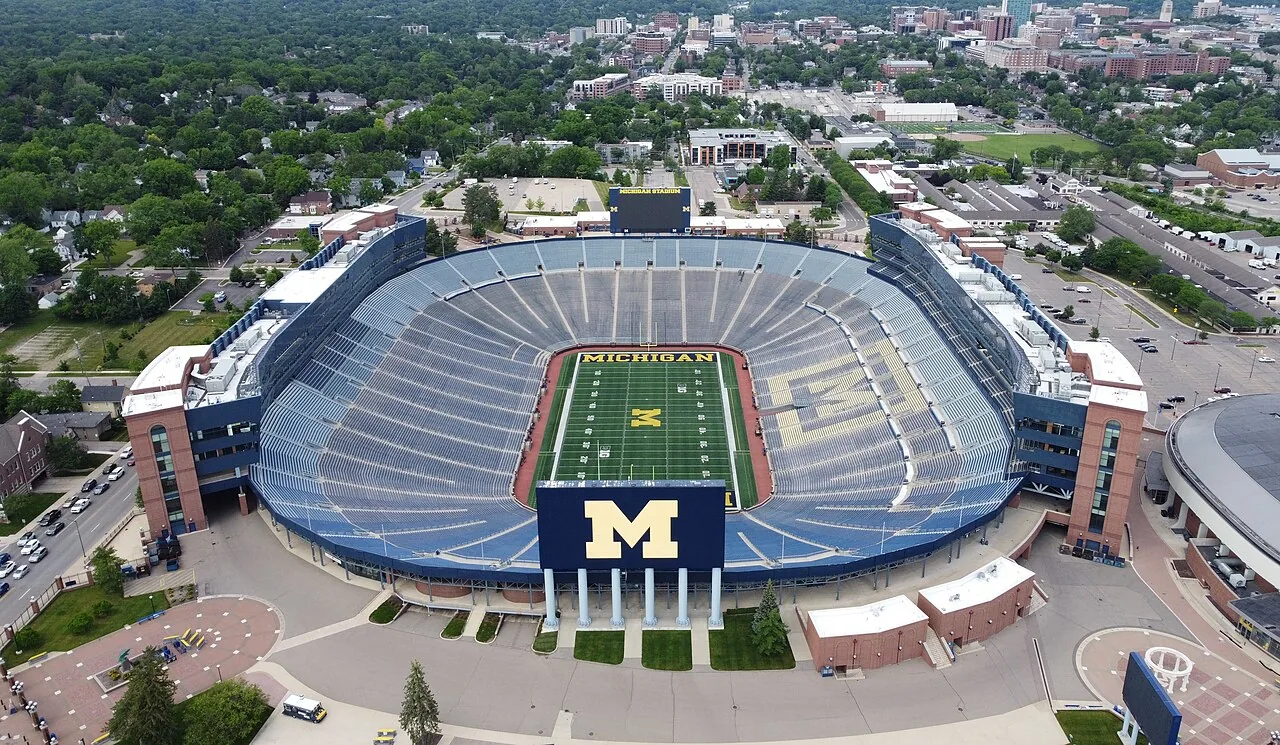
Ohio State’s official 2026 schedule places Michigan’s visit to Columbus on Saturday, November 28. Confirm the current kickoff and television assignment on the school or broadcaster’s listing before arranging the rest of the day around the game.
For travelling supporters, the home-away detail is not incidental. A Columbus trip requires its own parking, stadium entry, and local transport planning. Do not reuse directions or a meeting point from the previous meeting at a different venue simply because the matchup name is identical.
If you are watching remotely, decide whether this is your main game or one part of a larger slate. That choice affects whether you need a recording, a second screen, or simply a quiet place to watch without score alerts from another feed. A rivalry is more enjoyable when the technical arrangement does not need constant attention.
Auburn at Alabama
The official Alabama and Auburn schedules identify the 2026 Iron Bowl for Saturday, November 28, in Tuscaloosa. Treat the school’s current event listing as the authority for the exact kickoff, broadcaster, and game-day instructions when those details are confirmed.
Rivalry interest can make it tempting to rush a ticket or travel decision. Slow down long enough to check the total cost, the venue, and the actual booking terms. A familiar opponent does not remove the need to verify whether a particular ticket or reservation fits your plans.
For mixed-supporter groups, agree on the practical arrangements before the game starts. Decide where everyone is meeting, how transport will work afterward, and whether a late finish would change the plan. These are ordinary planning questions, but they become harder to solve when the game is close and attention is elsewhere.
Nebraska at Iowa
Iowa’s official schedule places Nebraska’s 2026 visit on Friday, November 27, in Iowa City. The Friday date is especially important for supporters coordinating Thanksgiving travel or assuming that a college rivalry automatically belongs to Saturday.
Check the kickoff’s time zone when sharing the listing outside the region. A group travelling from different states can easily copy the same hour into different assumptions. Keeping the official time-zone label with the event is a small habit that prevents a large amount of confusion.
If you plan to attend, separate the football schedule from venue operations. Parking access, stadium gates, and entry policies need their own current information. If you plan to watch from home, verify the assigned broadcaster and the account you will use before a holiday gathering becomes a last-minute subscription search.

Texas and Texas A&M need an individual check
For this matchup, use the official Texas or Texas A&M schedule to confirm the 2026 date, location, and broadcast. A famous rivalry can generate enough old articles and graphics that a search result looks convincing even when it describes a different meeting.
Read the season and venue carefully before acting on a ticket listing or travel suggestion. A rivalry name by itself does not identify which school is hosting. The practical details of attending can change substantially when the location changes, even if the conversation around the game feels familiar.
For viewers following several Thanksgiving-weekend games, add this fixture only after confirming its current assignment. Avoid building a tight handoff between two broadcasts around an assumed kickoff. It is better to keep one clearly labelled pending field than to create a polished viewing plan based on information nobody has verified.
Include regional rivalries beyond the biggest television windows
A national list can make rivalry week seem narrower than it is. Supporters following regional opponents, newer conference matchups, or programs outside the most prominent broadcast windows should still begin with their own schools’ official schedules.
Decide what makes a game meaningful to your household rather than allowing one national ranking to choose the whole weekend. A local rivalry involving family, alumni, or a regular stadium trip can matter more to you than the most heavily discussed game on television.
The same verification routine applies at every level of attention: correct season, opponent, date, venue, kickoff, and broadcast. If a detail is missing, identify where the official update will appear. A smaller audience does not make an invented time or outdated venue any more useful to the people trying to follow the game.
Understand the stakes without inventing them
Some rivalry games affect conference qualification, bowl eligibility, or the playoff race. Others matter primarily because of the opponent and the season’s story. The correct explanation depends on the standings and results available at the time, not on a generic claim that every rivalry decides a championship.
Before sharing a scenario, check the relevant record and qualification policy. If a team needs a result elsewhere, say so. If a possible playoff consequence remains a projection, label it accordingly. That makes the real stakes clearer rather than reducing the game’s importance.
You do not need to exaggerate a rivalry to make it worth watching. A program can finish a difficult year on a meaningful note, a graduating class can play its final home game, and supporters can value a victory independently of a national bracket. Describe the confirmed context honestly and let the game provide its own drama.
Build a viewing plan that can survive overtime
Write down your priority games, then identify genuine overlaps. If two broadcasts compete for attention, decide whether to use another screen, record one, or follow a later replay. Check the service’s current features and your household’s stream limits before the weekend.
Leave flexibility between games. Football can run beyond its advertised television window, and a rivalry’s closing minutes are precisely the part you may not want to abandon for a rigid schedule. A plan with a little breathing room is more comfortable than one that requires every game to finish on time.
Manage spoilers deliberately if you are watching a recording or delayed stream. Score notifications, social feeds, and friends on different broadcasts can reveal a result early. Agree on a simple approach with the group rather than expecting every screen and message to remain naturally synchronized.
Keep holiday travel and stadium planning separate
Thanksgiving travel can involve family commitments as well as football. Decide which parts of the trip are fixed and which can adapt to a later kickoff announcement. Read the actual change and cancellation terms of any booking rather than assuming holiday plans will be easy to rearrange.
For the stadium visit, use the official game-day guide. Check parking, bags, mobile tickets, accessibility arrangements, and the journey back after the game. A travel article can suggest questions to ask, but the venue’s current instructions settle the operational details.
Keep one shared itinerary with links to the supporting announcements. That helps a mixed group of drivers, passengers, and remote viewers stay aligned. It also makes an update easier: one changed entry can replace several old screenshots and remembered kickoff times circulating in separate conversations.
Make a final check before the rivalry weekend
Review every fixture you intend to watch or attend: opponent, date, venue, exact time, time zone, and broadcast. Confirm that pending entries have either been resolved or remain explicitly marked as pending. Check for official changes before leaving or starting the watch party.
Use Football Schedules Hub to compare the slate and reach the relevant team schedules. Then use the school and broadcaster for the latest event and access instructions. A dated snapshot is useful organization, but a newer official announcement should guide an immediate decision.
The strongest rivalry-week plan is not the most complicated one. It identifies the games that matter to you, verifies the details, and leaves enough flexibility to enjoy the unexpected. Once those pieces are in place, you can spend less time solving the schedule and more time following the football.
Read the ranking label attached to a rivalry
A rivalry preview may show a current poll position, a ranking from the day the teams previously met, or a projected future position. Those are different contexts. Check the producer and date before using a number to describe the significance of the 2026 game.
This is especially useful when older rivalry articles resurface near the new meeting. The team names and stadium photograph can look familiar while the season, record, and ranking belong to an earlier year. Preserve the context instead of copying the most dramatic number into a new preview.
A rivalry does not need two current Top 25 badges to matter. If the immediate stakes concern bowl qualification, a conference race, or simply the opponent, explain those honestly. Clear context gives readers more than an outdated ranking used to make the matchup appear different from the one actually scheduled.
Sources and further reading
Official references checked for this guide’s October 25, 2026 review. Broadcast assignments and event details can change.
Start here
Browse the site
Browse all teams · The full 2026 schedule · Postseason planning