
· 8 min read · By Football Schedules Hub · Updated
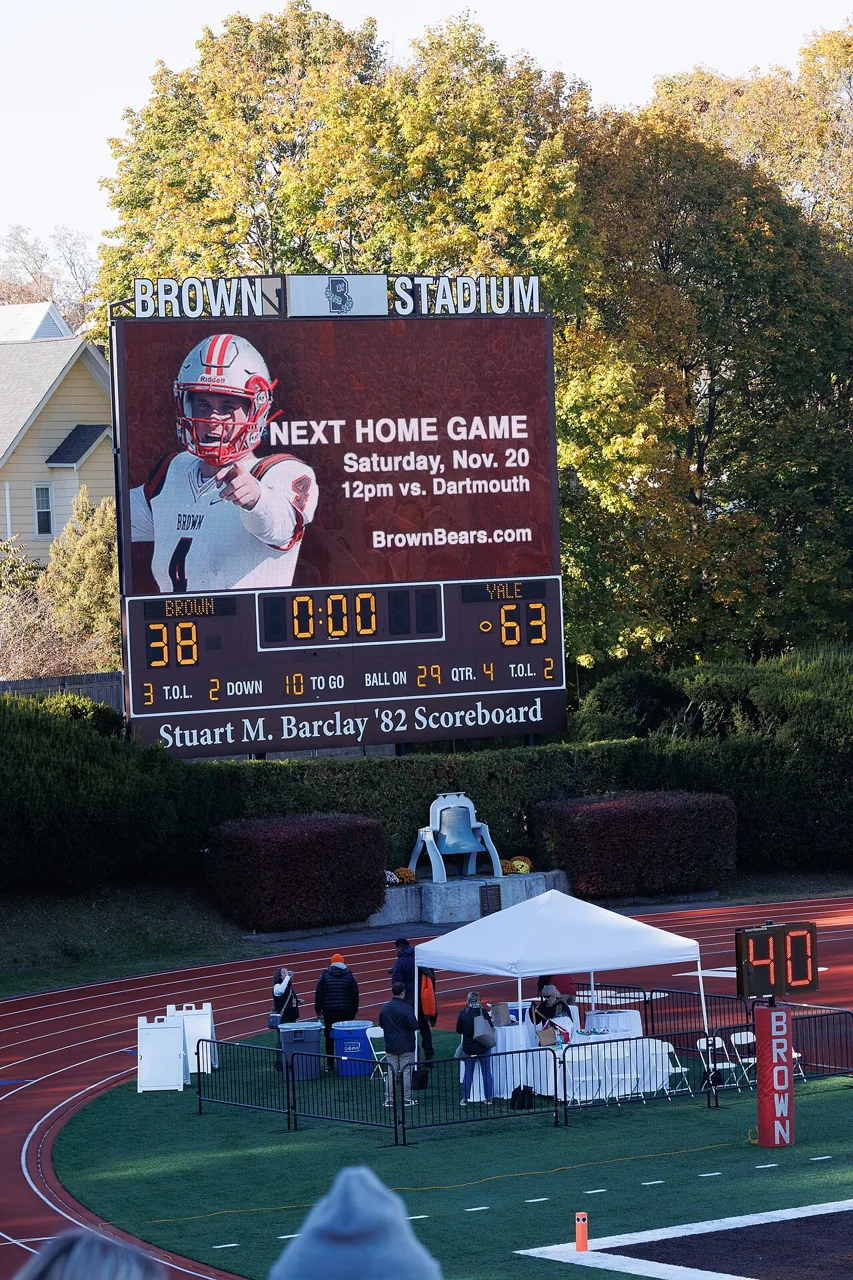

A college football game contains sixty minutes of regulation playing time, divided into four fifteen-minute quarters. That does not mean you can watch the entire event in one hour. Clock stoppages, halftime, television breaks, reviews, and other interruptions create a much longer real-world event.
For a practical viewing plan, leaving roughly three to four hours is a useful starting allowance, with additional flexibility for overtime or disruption. That is a planning estimate, not a claimed 2026 season average or a guarantee about your game. The right answer depends on whether you mean playing time, broadcast time, stadium time, or the complete trip around the event.
Playing time and elapsed time are different measurements
Regulation playing time is the time represented by the game clock. Elapsed time is the actual period between the moments you choose to measure, such as the opening kickoff and the final whistle. Those two totals are not interchangeable.
A pause in the game clock does not pause the clock in your living room. Teams can be preparing for a play, an official can be explaining a ruling, or a broadcast can be showing a break while the regulation clock remains unchanged. This is why the quarter lengths do not add up to the time you need to reserve.
When somebody quotes a game’s duration, ask where the measurement begins and ends. A television program including pregame coverage will produce a different number from a kickoff-to-finish measurement. Neither is necessarily wrong, but they answer different planning questions and should be labelled accordingly.
Why clock stoppages add real time
Football includes situations in which the game clock stops while the event continues. Timeouts, incomplete plays, scoring sequences, and administrative decisions can all affect how much real time passes. The details depend on the rules and the particular sequence of the game.
You do not need to memorize every timing rule to plan a viewing window. It is enough to understand that the same sixty minutes of regulation can be distributed across very different patterns of running and stopped clock. Two games with similar final scores can therefore take different amounts of elapsed time.
Avoid predicting a precise finish from the score alone. A close game can involve a complicated final sequence, while another game may move through its later stages with fewer interruptions. The useful habit is to leave a margin rather than treating one previous week’s ending as the timetable for every future matchup.
Halftime is part of the event
The NCAA rulebook’s usual regular-season halftime framework is twenty minutes, subject to the applicable provisions and permitted arrangements. Halftime belongs in an elapsed-time estimate even though it is not part of the sixty minutes of regulation play.
For supporters in the stadium, the interval can include band performances, presentations, and ordinary crowd movement around the concourse. If you leave your seat, consider the practical time needed to return rather than assuming the entire listed interval is available for another activity.
For viewers, a halftime clock and a broadcast segment are related but different things. The television program may include analysis and advertising around the interval. If you are measuring game duration for your own planning, keep the same start-and-finish convention rather than changing methods from one week to the next.
Television windows are not guaranteed finish times
A program guide gives you a useful broadcasting schedule, but it cannot promise that every game will end precisely when the next block begins. Football can run beyond the listed window. That matters when planning a recording or trying to switch between several important games.
Check how your service handles a live event running long. Some recording tools offer ways to extend coverage, while replay availability can follow different conditions. Verify the current feature rather than assuming that access to the live channel guarantees a complete recording of the ending.
If you are organizing a watch party, leave room for the game to remain the centre of attention beyond the advertised block. A plan that requires everyone to leave at one exact minute may work, but it should be understood as a personal deadline rather than a prediction about the final whistle.

Reviews and complicated endings can change the pace
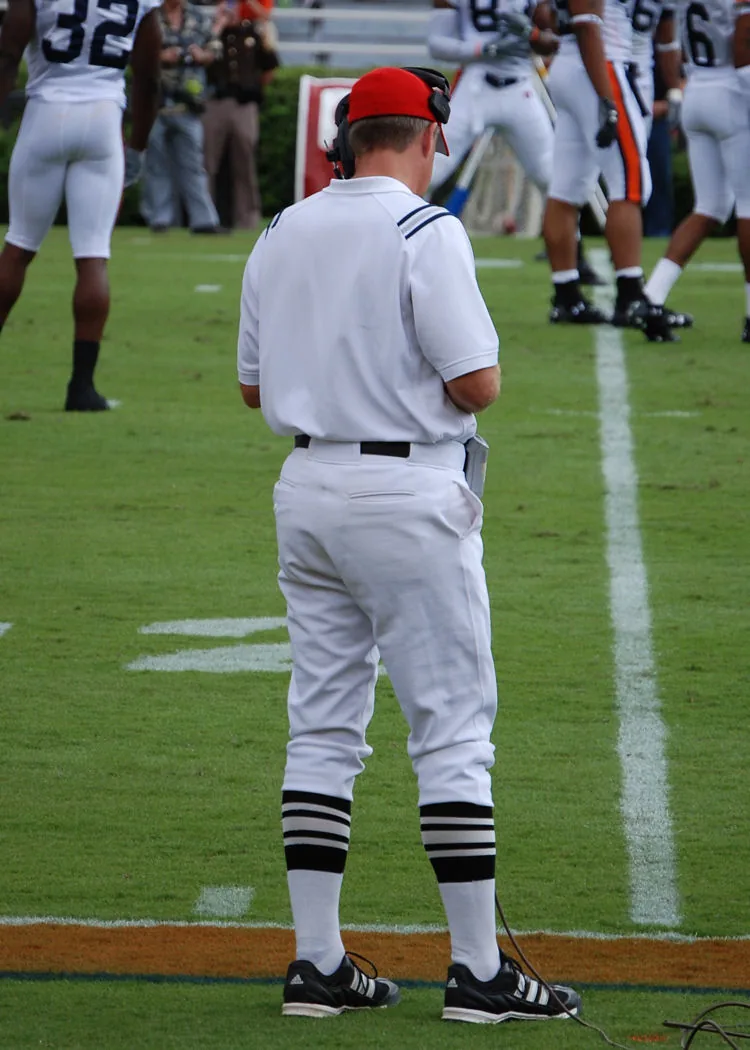
An official review or an extended explanation of a ruling can add time without adding much movement to the regulation clock. A series of such moments can make a short stretch of game time feel much longer to a viewer watching the minutes remaining.
The final part of a close game can also involve timeouts and decisions that require more attention from both teams. Do not assume that two minutes remaining on the scoreboard means the event will finish two minutes later on your phone’s clock.
For practical planning, this is a reason to leave flexibility around the ending you most want to watch. If you have a fixed commitment afterward, identify a legitimate replay or recording option beforehand. That is more useful than repeatedly recalculating a precise finish that the remaining game sequence cannot yet establish.
Overtime does not add another fixed fifteen-minute quarter
College overtime uses an alternating-opportunity format rather than simply appending another regulation quarter. The structure changes as the extra periods progress. A game that reaches several overtimes therefore cannot be timed by multiplying that number by fifteen minutes.
The length of an overtime game depends on the actual plays, decisions, timeouts allowed under the current rules, and any interruptions. One extra period can resolve the result, while another game may require several. The label alone does not provide a reliable number of additional real-world minutes.
If a game is tied late, treat the finish as more uncertain rather than adding one standard extension to the calendar. Supporters who need to travel afterward or switch to another event should understand that the outcome and duration are unresolved. The most useful preparation is a flexible plan and a checked recording option where appropriate.
Weather interruptions need a different kind of planning
A weather delay is not just another ordinary timing variation. Follow the school, conference, or venue’s official announcement for the event’s status and instructions. A normal viewing allowance cannot predict the duration of a disruption that depends on circumstances still developing.
If you are at the stadium, use the current venue communications rather than a general article to decide what to do. If you are watching remotely, check whether the broadcaster has supplied an updated channel, stream, or program listing as the event situation changes.
Keep a delay separate from a cancellation or postponement. Those labels can require different changes to a supporter’s plans. An app moving to another program does not, by itself, establish the official status of the game. Confirm the announcement before deleting a reminder or assuming the event will not continue.
Stadium time includes more than the game
For attendance, add the time needed for arrival, parking, entry, the walk to your seat, and departure afterward. Those parts of the trip are not contained in a kickoff-to-final-whistle estimate. A supporter who reserves only the expected game duration has left much of the visit unplanned.
Read the venue’s current guidance for the particular event. Gate times and parking access can supply useful planning boundaries, while crowd departure and transport arrangements affect the return. Do not assume the final part of the journey takes the same time before and after the stadium fills.
If you have a fixed travel connection, compare it against a range of possible finishes and the actual journey required afterward. The relevant question is not simply whether the game usually ends before that departure. It is whether your complete plan has a margin you are comfortable with under the booking’s real terms.
Make your own estimate from a consistent sample
If you want a more personal planning reference, record kickoff and finish times for several games you actually watch. Use the same definition every time. Exclude pregame television from one game only if you also exclude it from the others.
For a hypothetical sample lasting 198, 214, and 228 minutes, the average is about 213 minutes, while the middle result is 214 minutes. Those figures describe that small invented sample, not the national season. The comparison illustrates how to organize your own observations without presenting them as an official statistic.
Keep unusual circumstances in the notes. A weather interruption or exceptionally extended ending can affect how useful one result is for ordinary planning. The purpose of the exercise is to understand the range you have observed, not to create a precise promise that the next game will reproduce the average.
Decide which kind of duration you need
For a television afternoon, reserve a generous viewing window and check your recording options. For a stadium visit, add the surrounding event and travel time. For a shared calendar, label the ending as an estimate if no official end exists rather than presenting it as a confirmed appointment.
Before kickoff, verify the start time and zone. An incorrect start creates a bigger planning error than a carefully chosen duration allowance can solve. Read the school’s current schedule and event information, especially if a newer announcement has replaced an earlier TBA.
The most useful answer is therefore two-part: regulation contains sixty minutes of play, while the real event takes substantially longer and varies. Plan with a range, understand what your estimate includes, and leave room for the part of football that no timetable can settle in advance.
Do not turn an estimated ending into a confirmed event
When sharing a calendar, distinguish the verified kickoff from your own estimated finish. A planning allowance helps people organize the day, but it should not appear to be an official promise that the game will end at a particular minute.
For example, a supporter might reserve a four-hour personal viewing block while leaving a note that overtime or disruption could extend the event. That is a clear household arrangement. It becomes misleading only if the estimated ending is copied elsewhere as though the school or broadcaster confirmed it.
If another commitment is fixed, decide in advance what happens when the game is still underway. A checked recording or legitimate replay route can make that decision less frustrating. The aim is to manage the uncertainty honestly rather than force an unpredictable event into a timetable that looks precise but cannot be guaranteed.
Sources and further reading
Official references checked for this guide’s October 25, 2026 review. Broadcast assignments and event details can change.
Start here
Browse the site
Browse all teams · The full 2026 schedule · Postseason planning